
“She’s pretending to be a lawyer,” my sister told the disciplinary committee. “There’s no way she passed the bar exam.” My parents filed a complaint, accusing me of fraud. 091
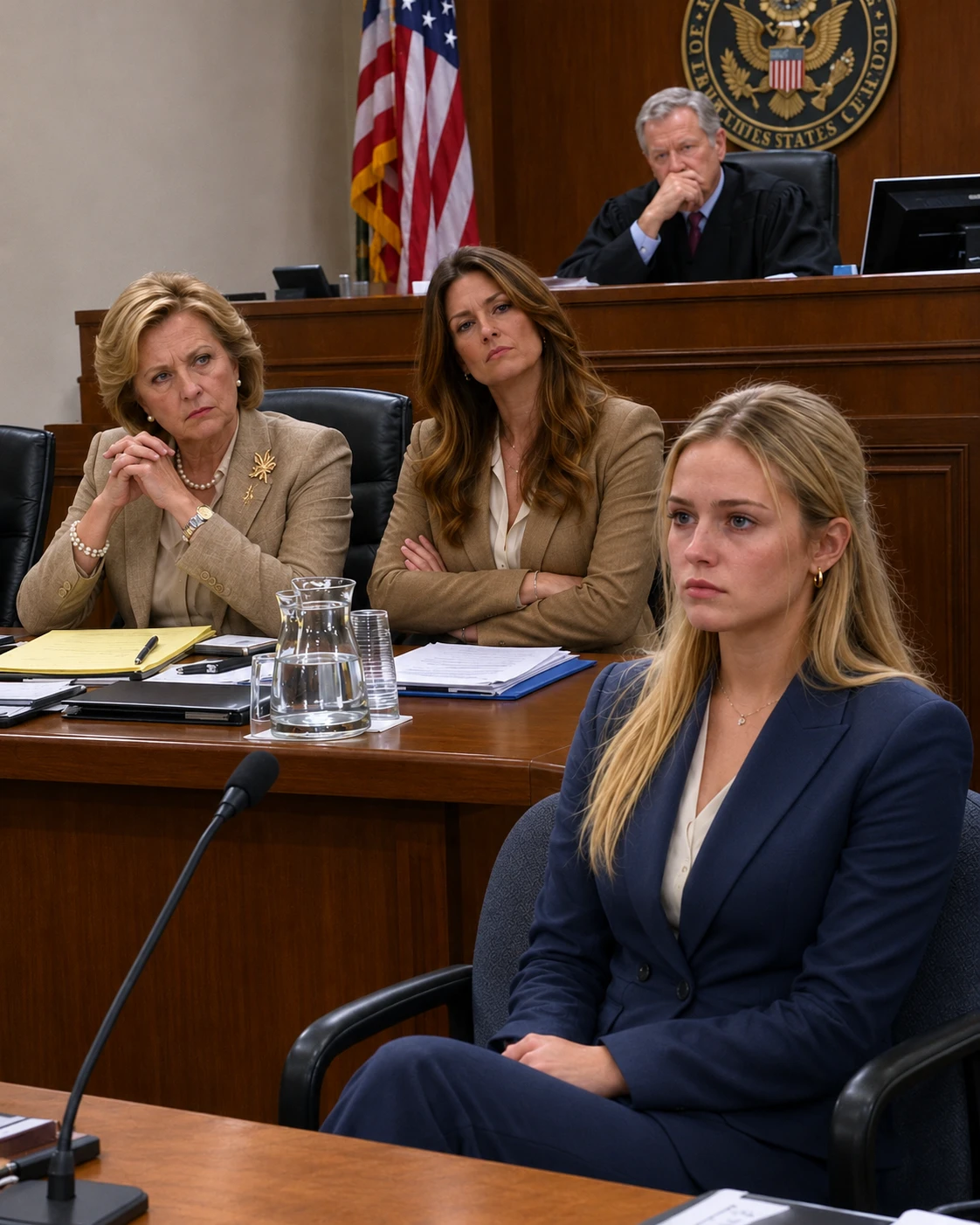
“She’s pretending to be a lawyer,” my sister told the disciplinary committee. “There’s no way she passed the bar exam.” My parents filed a complaint, accusing me of fraud.
I sat silently throughout the hearing. The presiding judge opened my file, then held his breath for a moment: “Ms. Hamilton, last year you argued before me in the Fitzgerald case. I call it the best defense I’ve seen in 30 years. Why is your family filing a complaint…?” The room fell silent.
and maybe the cruelest part was that none of this started with that room.
It started years earlier, at a dinner in suburban Connecticut where my mother introduced my older sister Brenda as the future of the family and me as the daughter who would probably do something practical because not everyone was built for ambition.
I was sixteen that night, carrying appetizers in a black dress I hated, while Brenda came home from Yale glowing with that easy confidence people mistake for character.
My mother basked in her. My father looked at her the way some men look at stock charts that only go up. Every compliment in that house had her name on it before it ever reached the air.
I was the afterthought child. The late one. The one they explained instead of celebrated.
So when Mrs. Crawford from next door asked what I wanted to do with my life, my mother answered for me before I could lift my head.
Community college. Something realistic.
Brenda laughed.
Not cruelly enough for anyone else to object. Just lightly, like the whole thing was obvious and I had only embarrassed myself by still having options in mind.
That was the first night I remember deciding that one day I would build a life so undeniable they would have to look at it, even if they hated what they saw.
I did go to community college. Lakewood, in Ohio. Cheap, unglamorous, and far enough away that I could finally hear my own thoughts without Brenda’s name attached to every comparison.
My parents gave me two thousand dollars and called it support. Brenda’s tuition at Yale had cost more than that in a month.
But distance did something useful. It took the sound of their certainty out of my ears.
At Lakewood, I stopped being the lesser Hamilton daughter and became someone who could actually work. And once I worked, I got better. Then better than that.
My grades climbed. My adviser, a former prosecutor who had the kind of eyes that saw straight through excuses, told me I had a legal mind. I laughed in her face the first time she said law school.
She did not laugh back.
That mattered.
Suffolk gave me a full scholarship. My parents told me law school was too hard and I was setting myself up for humiliation. So I moved to Boston anyway. Lived on ramen and bad sleep.
Studied until the sun came up through library windows. Missed holidays. Worked clerking jobs.
Graduated near the top of my class while my family skipped my ceremony because Brenda’s wedding fell the same weekend and there are only so many calendar spaces, apparently, for daughters who matter.
I passed the Massachusetts bar on my first try.
Top five percent.
My mother was too busy celebrating Brenda’s pregnancy to stay on the phone long enough to care.
After that, I stopped offering updates.
What would have been the point?
I built my career the same way I built everything else. Quietly. With exhaustion, precision, and a refusal to fold. Small criminal-defense firm first.
Then trials. Then better trials. Then the Fitzgerald case, which was the kind of case that changes the temperature of a room when your name is mentioned in it. Corporate money. Missing millions.
A man everyone had already decided was guilty until I walked into court and dismantled the story piece by piece.
Judge Patricia Morland presided.
After the acquittal, she called my defense the best she had seen in thirty years on the bench.
My family never heard about that from me. Why would they?
The last time I tried to tell them anything meaningful, my mother introduced me at a wedding as someone who did some sort of legal work with criminals, and Brenda laughed like that was generous.
That laughter matters now, because people always think the big betrayal begins with the dramatic moment.
It doesn’t.
It begins with years of being taught that if people refuse to see you clearly, maybe disappearing is simpler.
But I didn’t disappear.
I became a lawyer. A good one. Good enough that judges remembered me.
Good enough that other firms called. Good enough that the family who spent half my life treating me like a joke apparently found it easier to accuse me of fraud than admit I had actually done what they said I never could.
So there I was in that mahogany hearing room, hands folded in my lap, while Brenda adjusted her pearls and called me unstable.
My mother said she was acting out of civic duty. My father used that heavy, sorrowful voice men use when they want concern to sound expensive.
Then Judge Morland opened my file.
Her eyes moved once across the page. Then again.
The room shifted.
And when she finally looked up at me, it was no longer with procedural neutrality.
It was recognition.
“Miss Hamilton,” she said slowly, “you argued before me last year in the Fitzgerald case.”
The table went still.
My sister stopped moving.
My mother’s mouth parted.
And the judge, still looking directly at me, said the one sentence no one in my family had prepared for.
“I call it the best defense I’ve seen in thirty years. Why is your family filing a complaint claiming you are not a lawyer?”
Nobody answered.
The ventilation system hummed above us.
Somewhere behind me, a pen clicked once.
Then again.
Brenda’s fingers tightened around the strand of pearls at her throat.
My mother turned toward me with an expression I recognized immediately.
Not pride.
Not confusion.
Accusation.
As if I had somehow deceived her by succeeding without permission.
Judge Morland waited.
My father cleared his throat.
“Your Honor, there has clearly been some misunderstanding.”
The judge’s eyes moved toward him.
“A misunderstanding?”
“Yes.”
His voice took on that practiced softness.
“We were given reason to believe our daughter had been exaggerating her professional accomplishments.”
“By whom?”
My father hesitated.
Brenda spoke.
“By me.”
Every face turned toward her.
She sat straighter.
“I’ve known my sister my entire life.”
Judge Morland’s expression did not change.
“I assume so.”
“And she has always had a tendency to embellish.”
I almost laughed.
Instead, I watched.
Brenda continued.
“She told people she was an attorney, but whenever we asked basic questions, she became evasive.”
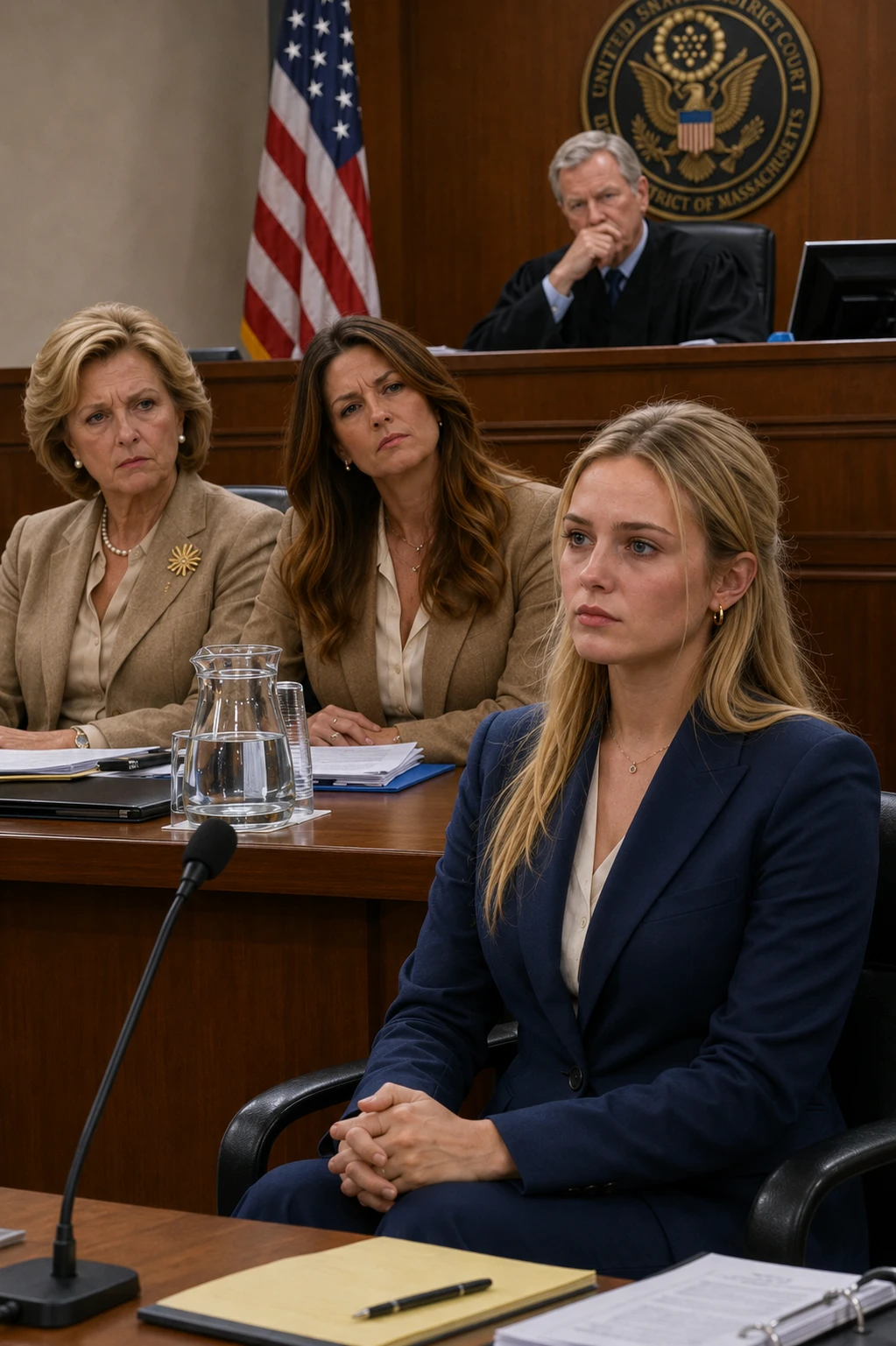
“When did you ask?”
Brenda blinked.
“What?”
“When did you ask your sister about her work?”
Silence.
Judge Morland leaned back.
“You submitted a sworn complaint alleging that Ms. Hamilton falsely represented herself as a licensed attorney. Surely you conducted some inquiry first.”
My mother’s face tightened.
“We tried.”
“How?”
“She wouldn’t provide us with documentation.”
Judge Morland looked at me.
“Did they ask for your bar card?”
“No, Your Honor.”
“Your bar number?”
“No.”
“Your law-firm information?”
“No.”
“Did they search the Massachusetts attorney registry?”
Brenda’s lips parted.
Nobody answered.
Judge Morland slowly removed her glasses.
“The public attorney registry?”
My father shifted.
“We aren’t familiar with legal databases.”
“You don’t need to be. It appears in an ordinary internet search.”
Brenda flushed.
My mother looked at me.
“You could have shown us.”
There it was.
I finally spoke directly to her.
“You could have believed me.”
Her mouth closed.
Judge Morland looked between us.
“Ms. Hamilton, do you know what prompted this complaint?”
“I know what they told me.”
“And what was that?”
“That Brenda discovered I had been telling people I was a lawyer and became concerned I was committing fraud.”
The judge looked toward Brenda.
“Is that accurate?”
“Yes.”
My sister answered too quickly.
Judge Morland noticed.
So did I.
The committee counsel, a narrow-faced man named Mr. Avery, opened another file.
“Judge, may I?”
“Please.”
He adjusted the microphone.
“Ms. Hamilton’s licensure has been independently verified. She has been an active member of the Massachusetts bar for nine years, with no disciplinary history.”
My mother stared at him.
“Nine?”
I felt something old move inside me.
Nine years.
She hadn’t even known.
Mr. Avery continued.
“Her reported employment history is accurate. Her trial record is accurate. Her role in Fitzgerald is accurate.”
Brenda looked down.
“And,” he added, “the committee received three letters from sitting judges and two former federal prosecutors responding to notice of the complaint.”
My father’s face changed.
“Letters?”
“They address Ms. Hamilton’s professional reputation.”
Judge Morland replaced her glasses.
“Which is why we are now confronting a different issue.”
She looked at Brenda.
“Whether this complaint was filed in good faith.”
Brenda’s head snapped up.
“Of course it was.”
“Then help me understand something.”
Judge Morland lifted the original complaint.
“You state here that your sister has never attended law school.”
Brenda swallowed.
“Yes.”
“She graduated from Suffolk University Law School.”
“I didn’t know that.”
I looked at her.
The judge did too.
“You didn’t know where your sister spent three years?”
“We weren’t close.”
My mother interrupted.
“She told us she was studying something related to legal administration.”
I stared at her.
“No, I didn’t.”
Her face hardened.
“Yes, you did.”
“No.”
“You absolutely did.”
I felt my pulse slow.
There are moments in court when a witness gives you something they don’t realize they’ve given.
A tiny inconsistency.
A sentence too certain.
A detail that creates a door.
I had spent my career recognizing those doors.
This one hurt because my mother was standing inside it.
“When?” I asked.
She blinked.
“When what?”
“When did I tell you I was studying legal administration?”
“Years ago.”
“Where?”
“I don’t remember.”
“On the phone?”
“Probably.”
“Before or after my graduation?”
Her eyes flickered.
Judge Morland watched us.
My mother snapped, “Why does that matter?”
“Because you didn’t come to my graduation.”
Silence.
Brenda looked toward our father.
My mother shifted in her chair.
I continued.
“You told me you couldn’t attend because Brenda’s wedding was the same weekend.”
Brenda’s expression tightened.
“And?”
“And I mailed you my graduation announcement.”
My father’s eyes dropped.
“It said Suffolk University Law School.”
Nobody moved.
My mother whispered, “I don’t remember that.”
“I do.”
Brenda crossed her arms.
“So we’re bad parents. That doesn’t prove malicious intent.”
Mr. Avery looked at her.
“No. But something else may.”
He removed a sheet of paper.
Brenda’s face changed instantly.
Small.
Almost invisible.
But I saw it.
So did Judge Morland.
Mr. Avery continued.
“Ms. Brenda Hamilton, did you contact the law firm of Mercer, Vale & Bishop six weeks ago?”
My breath caught.
Brenda stared at him.
My firm.
She said nothing.
“Ms. Hamilton?”
“I may have.”
“Why?”
“I wanted to verify my sister worked there.”
“Did you?”
Brenda’s mouth tightened.
“Yes.”
Mr. Avery looked down.
“According to an affidavit from the firm’s managing partner, you were informed that your sister was a senior trial attorney.”
My mother turned toward Brenda.
“What?”
My sister went pale.
The room changed.
Mr. Avery continued.
“You were also directed to Ms. Hamilton’s public professional biography, which listed her education, bar admission, representative cases, awards, and speaking engagements.”
My father’s head turned slowly.
“Brenda?”
She stared straight ahead.
Judge Morland’s voice became colder.
“So before you filed a sworn complaint claiming there was ‘no way’ your sister had passed the bar, you had already confirmed with her employer that she was a practicing attorney.”
Brenda’s composure fractured.
“I thought they were covering for her.”
A silence so complete followed that I could hear her breathing.
Judge Morland leaned forward.
“You believed an established law firm had fabricated a senior attorney’s identity?”
Brenda’s cheeks burned.
“I didn’t know what to believe.”
“That is not what your complaint says.”
Mr. Avery slid another document forward.
“You also emailed Suffolk University.”
Brenda looked at him.
My mother whispered, “You did what?”
“And received confirmation that privacy rules prevented disclosure beyond publicly available commencement records. You then accessed the archived commencement program.”
He paused.
“Your sister’s name appears in it.”
Brenda said nothing.
My father moved his chair several inches away from her.
That tiny movement hurt more than I expected.
Not because I wanted him to defend me.
Because I knew what it meant.
He wasn’t horrified by what she’d done.
He was protecting himself.
Judge Morland looked toward my parents.
“When did your daughter tell you she believed Ms. Hamilton was impersonating an attorney?”
My mother swallowed.
“About two months ago.”
“And did she tell you she had contacted the firm?”
“No.”
“Did she tell you she had found the commencement record?”
“No.”
My father stared at Brenda.
“You said the firm wouldn’t verify her.”
Brenda looked at him.
“I said they gave me evasive answers.”
“No,” Mr. Avery said. “They did not.”
He opened a final document.
“The call was recorded pursuant to the firm’s standard intake policy.”
Brenda went completely still.
My stomach tightened.
I hadn’t known that.
Mr. Avery pressed a button.
A woman’s voice filled the hearing room.
“Mercer, Vale & Bishop.”
Then Brenda.
Bright.
Polite.
Controlled.
“I’m trying to confirm whether my sister actually works there. Her name is Claire Hamilton.”
My name.
For the first time in years, hearing it in Brenda’s voice made me feel sixteen.
The receptionist answered.
“Yes. Ms. Hamilton is one of our senior trial attorneys.”
A pause.
Brenda’s recorded voice changed.
“Senior?”
“Yes, ma’am.”
“And she’s licensed?”
Another pause.
“Yes.”
Then Brenda laughed.
The same laugh.
Light.
Dismissive.
The one from that dinner in Connecticut.
“That’s hard to believe.”
Nobody in the hearing room moved.
The recording continued.
Brenda asked for my bar number.
The receptionist directed her to the public registry.
Brenda asked whether I’d actually tried cases.
She was directed to my professional biography.
Then came the sentence that destroyed everything.
“So if I filed a complaint saying she wasn’t really licensed, what would happen?”
The receptionist sounded confused.
“Ma’am?”
“I mean hypothetically.”
Mr. Avery stopped the recording.
My sister looked like someone had drained the blood from her body.
Judge Morland stared at her.
“You asked that before filing.”
Brenda’s eyes filled.
“I was angry.”
The words came out almost inaudibly.
My mother recoiled.
“What?”
Brenda pressed both hands against the table.
“I was angry.”
“At what?” I asked.
She looked at me.
And there it was.
Fifteen years of comparison.
Except suddenly the direction had reversed.
“You weren’t supposed to be this.”
I didn’t understand.
“This what?”
“Successful.”
My mother whispered her name.
“Brenda.”
But she couldn’t stop now.
“You were supposed to have the normal life.”
Her voice shook.
“The practical life. I was the one who went to Yale. I was the one everyone expected things from.”
I stared at her.
“And?”
“And then my marriage fell apart.”
Her eyes flooded.
“My career stalled. Mom and Dad still talk about Yale because it’s the last impressive thing I did.”
My father flinched.
Brenda laughed bitterly.
“And then somebody at a charity dinner mentioned Fitzgerald.”
I stopped breathing.
“She said Claire Hamilton was brilliant.”
Brenda looked at me.
“I thought it had to be another Claire Hamilton.”
“So you checked.”
“Yes.”
“And found me.”
“Yes.”
“And then filed a fraud complaint.”
Her face crumpled.
“I wanted something about it not to be true.”
The honesty was monstrous.
And somehow pitiful.
Judge Morland let the silence sit.
Then my mother reached for Brenda.
My sister jerked away.
“Don’t.”
My mother’s hand froze.
Brenda looked at her.
“You did this.”
My mother stared.
“You spent my whole life telling me I was special because she wasn’t.”
My chest tightened.
“Brenda—”
“No.”
She turned toward me.
“Every time you did something good, they explained why it didn’t count.”
My father’s face hardened.
“That is not true.”
Brenda laughed.
“You called community college proof she lacked ambition.”
“You agreed.”
“I was sixteen!”
“You were older than she was.”
“And you were our father.”
That landed.
My father leaned back.
Brenda looked at our mother.
“When she got the scholarship, you said Suffolk wasn’t Yale.”
My mother whispered, “We were trying to keep expectations realistic.”
“For her.”
Brenda’s voice cracked.
“You never kept mine realistic. You made me responsible for being extraordinary.”
My mother stared at her.
“And when I stopped being extraordinary, I had no idea who I was.”
Nobody spoke.
For the first time in my life, I saw the machinery from both sides.
I had been starved of approval.
Brenda had been force-fed it until she believed losing it meant disappearing.
Neither was love.
Judge Morland removed her glasses again.
“This committee will dismiss the complaint against Ms. Claire Hamilton with prejudice.”
I closed my eyes.
One breath.
That was all I allowed myself.
“The record will reflect that the allegations regarding her licensure and professional identity were demonstrably false.”
Judge Morland turned toward Brenda.
“The committee will refer the sworn statements and supporting materials for review regarding possible knowingly false submissions.”
Brenda’s lips trembled.
My mother gasped.
“Judge, please.”
“Mrs. Hamilton.”
“She made a mistake.”
Judge Morland’s expression sharpened.
“A mistake is an incorrect date.”
She tapped the file.
“This was a sustained effort to weaponize a professional disciplinary process against an attorney after evidence contradicted the accusation.”
My father stood halfway.
“Surely this doesn’t need to destroy our daughter’s life.”
The sentence hit me so hard I almost laughed.
Our daughter.
I looked at him.
Judge Morland did too.
Then, slowly, she said, “You have two daughters, Mr. Hamilton.”
He sat.
Nobody looked at me.
That was fine.
I had spent enough of my life waiting for them to.
The hearing ended.
Chairs scraped.
Papers shuffled.
People began leaving.
I remained seated.
My hands had started trembling beneath the table.
Not during the accusation.
Not during the recording.
Now.
Judge Morland stepped down from the bench.
She stopped beside me.
“Claire.”
I stood.
“Judge.”
“You did not need my praise today.”
“No.”
“But you have it.”
My throat tightened.
She lowered her voice.
“Do not let people who refused to witness your becoming convince you that your becoming was deception.”
I looked away for one second.
When I looked back, she was smiling faintly.
“Thank you.”
Then she left.
My parents waited near the doors.
Brenda stood several feet from them.
I collected my bag.
My mother approached.
“Claire.”
I stopped.
She looked smaller somehow.
Not physically.
Certainty had left her.
“We didn’t know.”
I held her gaze.
“You didn’t want to.”
Her lips parted.
“That’s unfair.”
“No.”
My voice remained quiet.
“Unfair was giving Brenda a full map of who she was allowed to become and giving me a ceiling.”
My father’s jaw tightened.
“We supported you.”
“You gave me two thousand dollars and told me not to embarrass myself.”
“We did what we could.”
“No.”
I looked at him.
“You did what you thought I was worth.”
He looked away.
My mother began crying.
I felt the old reflex immediately.
Comfort her.
Make it easier.
Translate my pain into something she could survive hearing.
I didn’t.
She wiped her cheek.
“We missed your graduation.”
“Yes.”
“We didn’t know it mattered that much.”
“You knew it was law school.”
Her eyes dropped.
That was answer enough.
Brenda approached slowly.
My parents turned toward her.
She stopped beside them but looked only at me.
“I am sorry.”
I said nothing.
“I don’t expect you to forgive me.”
“Good.”
She flinched.
I hated that part of me noticed.
But healing did not require pretending consequences were cruelty.
“You could have damaged my license.”
“I know.”
“My reputation.”
“I know.”
“My clients could have found this.”
“I know.”
“You tried to destroy the one thing I built without any of you.”
Her face folded.
“I know.”
“Why should I ever trust you again?”
She shook her head.
“You shouldn’t.”
That surprised me.
“Not now.”
Her breathing trembled.
“Maybe never.”
She looked toward our parents.
“But I am going to tell the review board everything. That Mom and Dad didn’t know I’d verified your credentials. That I lied to them.”
My father stiffened.
“Brenda.”
She turned.
“No.”
One word.
The same word I’d spent years learning to say.
“You don’t get to turn this into Claire ruining the family.”
My mother covered her mouth.
Brenda looked back at me.
“I did this.”
For the first time, she wasn’t laughing.
Months passed.
The referral resulted in consequences for Brenda, though not the cinematic destruction my parents feared.
She wasn’t a lawyer, so there was no license to lose. But her knowingly false sworn submissions led to a formal investigation, legal expenses, and professional fallout when the matter reached her employer.
She resigned before she could be terminated.
More painfully, several nonprofit boards on which she’d served asked her to step down.
Her reputation—the currency she’d spent her whole life protecting—fractured under something she had created herself.
My parents blamed me for three weeks.
Then I stopped answering.
Silence became easier when it was chosen.
Brenda did something unexpected.
She didn’t defend herself publicly.
When friends asked, she told them she’d made a false accusation against her sister.
No excuses.
No mention of stress.
No story about family misunderstanding.
Just truth.
Six months later, a letter arrived.
I left it unopened for eleven days.
Then one Sunday morning, I made coffee and read it at my kitchen table.
Claire,
I spent most of my life believing I loved you because I never actively wanted bad things to happen to you.
I understand now how low a standard that was.
I enjoyed being the daughter they admired.
I participated every time they made you smaller because your smallness made my place feel secure.
When I discovered you had become everything they said you couldn’t become, I did not feel proud.
I felt threatened.
That is mine to carry.
I am in therapy.
I am not writing that as proof I deserve access to you.
I am writing because for the first time, I am trying to learn who I am without needing you to be less.
I’m sorry.
Brenda.
I folded the letter.
Then unfolded it.
Then cried.
Not because it fixed anything.
Because it was the first apology anyone in my family had ever given me that didn’t contain the word but.
A year after the hearing, I returned to Lakewood.
My old adviser was retiring.
She stood at the front of a lecture hall surrounded by former students.
When she saw me, she pointed.
“You.”
I laughed.
“Me?”
“You laughed in my face.”
The room laughed.
I walked toward her.
“You told me to go to law school.”
“And you were rude.”
“I was nineteen.”
“You were rude at nineteen.”
She hugged me.
I held on longer than I expected.
When she pulled away, she touched my cheek.
“I followed your cases.”
My eyes widened.
“All of them?”
“The interesting ones.”
“That sounds ominous.”
“Fitzgerald was excellent.”
I looked down.
She tilted my chin up.
“Don’t do that.”
“What?”
“Shrink when somebody praises you.”
The words landed somewhere old.
I swallowed.
“I’m working on it.”
“Work faster.”
I laughed through tears.
Later, I stood alone in the hallway outside the classroom where I’d taken my first criminal-justice course.
There was a photograph on the wall.
Students.
Scholarship recipients.
People whose lives had begun in rooms nobody considered prestigious.
I thought about sixteen-year-old me carrying appetizers while my mother explained my future to a neighbor.
Then nineteen-year-old me sitting in the back row at Lakewood.
Then twenty-something me studying beneath fluorescent library lights while Brenda’s wedding photographs filled my parents’ social media.
Then the woman sitting silently in a disciplinary hearing while her family accused her of inventing everything.
For years, I had believed the victory would be making them see me.
I had been wrong.
The victory was becoming visible to myself.
Two years after the hearing, Brenda asked to meet.
A public café.
My choice.
She arrived early.
No pearls.
No polished armor.
Just jeans, a navy sweater, and nervous hands around a coffee cup.
I sat across from her.
For several seconds, neither of us spoke.
Then she smiled faintly.
“You look good.”
“So do you.”
“I almost wore pearls.”
I laughed before I could stop myself.
She did too.
The tension loosened by half an inch.
We talked for two hours.
Not about forgiveness.
About childhood.
Things I’d forgotten.
She remembered teaching me to ride a bicycle.
I remembered hiding in her room during thunderstorms.
She told me she had kept one photograph from my community-college graduation.
“You came?”
“No.”
My smile disappeared.
She shook her head quickly.
“Mom had the picture. You mailed it.”
I stared.
“She kept it?”
“For years.”
Something inside me shifted.
“Where?”
“In the drawer of the hall table.”
“Why?”
“I don’t know.”
Neither did I.
Three weeks later, my mother called.
I almost ignored it.
Then answered.
“Claire?”
Her voice sounded older.
“Yes.”
“Brenda said she told you about the photograph.”
I waited.
“I have something that belongs to you.”
We met at my parents’ house.
The same Connecticut house.
Same dining room.
Different people.
My father looked smaller.
My mother brought out a cardboard box.
Inside were photographs.
Lakewood graduation.
My Suffolk acceptance letter.
A photocopy of my scholarship notice.
My law-school commencement announcement.
A newspaper clipping from Fitzgerald.
I couldn’t breathe.
“You kept these.”
My mother nodded.
“Why?”
Her fingers twisted together.
“I don’t know.”
“That isn’t true.”
She looked at me.
Her eyes filled.
“I was proud.”
The answer made me angry.
Not relieved.
Angry.
“Then why didn’t you say it?”
She began crying.
“Because saying it meant admitting I’d been wrong about you.”
The room went still.
My father closed his eyes.
My mother continued.
“And I was ashamed.”
I stared.
“So you chose your pride over your daughter.”
“Yes.”
No defense.
No softening.
Just yes.
My father spoke from across the room.
“I did too.”
I looked at him.
He struggled to meet my eyes.
“Every achievement made the way we treated you harder to justify.”
His voice cracked.
“So we minimized them.”
I sat down.
My legs had stopped feeling reliable.
My mother pushed the box toward me.
At the bottom was something else.
An envelope.
Yellowed.
My name written across the front.
Claire.
I recognized the handwriting.
My grandmother’s.
She had died when I was twenty.
I opened it.
Inside was a check.
Never deposited.
Five thousand dollars.
And a note.
For law school, when she finally admits that’s where she’s going.
I stared.
My mother covered her face.
“What is this?”
She couldn’t answer.
My father did.
“Your grandmother knew.”
“Knew what?”
“That you wanted law school.”
My hands shook.
“She left the money with us.”
I looked at my mother.
“You never gave it to me.”
She cried harder.
“No.”
“Why?”
“Because we thought encouraging you would set you up to fail.”
The room disappeared.
Not literally.
But suddenly I was nineteen again.
Ramen.
Overnight shifts.
Calculating textbook costs.
Skipping meals near the end of semesters.
Five thousand dollars would not have changed my life.
But the note would have.
Someone had seen me.
Before Lakewood.
Before Suffolk.
Before the bar.
Before Fitzgerald.
My grandmother had seen me.
I pressed the note against my mouth.
Brenda was crying across from me.
My mother whispered, “I’m sorry.”
I looked at her.
“I needed this.”
“I know.”
“No.”
My voice broke.
“I needed to know one person in that house thought I could do it.”
My mother reached toward me.
Then stopped before touching.
That mattered.
For once, she understood comfort wasn’t hers to take.
I cried at the same dining table where my future had once been decided for me.
Nobody interrupted.
Nobody explained.
Nobody told me I was too sensitive.
When I finally stood, I took the box.
Not the check.
I left that on the table.
My father looked at it.
“Claire?”
“I don’t want the money.”
“But it’s yours.”
“No.”
I held my grandmother’s note.
“This was mine.”
That was enough.
The following spring, I established a scholarship at Lakewood.
Five thousand dollars each year.
For a community-college student transferring toward law school.
The application had no requirement for prestige.
No family pedigree.
No polished résumé.
Only one essay question:
What have people underestimated about you?
My former adviser called me when she saw it.
“You’re sentimental now.”
“Don’t spread that around.”
“Too late.”
The first recipient was a twenty-year-old single mother named Jasmine who worked nights at a grocery store.
At the award ceremony, she stood beside me shaking.
“My family says law school is unrealistic.”
I smiled.
“Mine did too.”
She stared.
“You?”
“Especially me.”
She laughed nervously.
I handed her the certificate.
Then I said the words I had needed at nineteen.
“You don’t have to prove you’re exceptional before you’re allowed to try.”
Her face changed.
I recognized it.
Someone opening a door inside themselves.
Brenda attended the ceremony.
She sat in the back.
My parents didn’t.
Not because they weren’t invited.
Because I hadn’t invited them.
Some boundaries remained.
Brenda and I eventually found something that wasn’t the sisterhood we’d had as children and wasn’t the hostility we’d inherited from our parents.
It was smaller.
More deliberate.
Coffee.
Birthday texts.
Occasional dinners.
Honesty.
Once, years later, she asked whether I had forgiven her.
We were walking along the Charles River.
Autumn leaves moved across the path.
I thought for a long time.
“I don’t know.”
She nodded.
“Fair.”
“But I don’t wake up angry anymore.”
Her eyes filled.
“That might be more than I deserve.”
“Don’t do that.”
“What?”
“Turn guilt into another way of making yourself the center.”
She laughed.
“Ouch.”
“Lawyer.”
“I remember.”
We kept walking.
My parents changed too.
Slowly.
Imperfectly.
My mother learned to ask about my work without comparing it to Brenda’s.
My father came to one of my arguments and sat silently in the back.
Afterward, he waited outside the courtroom.
“You were good.”
I looked at him.
He corrected himself.
“You were extraordinary.”
I smiled faintly.
“I’m allowed to be average sometimes too.”
His face tightened.
He understood.
“Yes.”
That answer mattered more than the compliment.
Judge Morland retired five years after the disciplinary hearing.
At her retirement reception, the courthouse was packed.
Prosecutors.
Defense attorneys.
Clerks.
Judges.
Former defendants.
People whose lives had passed through her courtroom.
When I approached, she smiled.
“Fitzgerald.”
I laughed.
“I’m never escaping that case, am I?”
“No.”
She took my hand.
“Although I remember another hearing rather well.”
My smile faded.
“So do I.”
Judge Morland studied me.
“How is your family?”
“Complicated.”
“Most evidence is.”
I laughed.
Then she grew serious.
“You know, Claire, I regretted praising you that day.”
I blinked.
“What?”
“For about five minutes.”
“Why?”
“Because I worried they’d hear my praise and suddenly decide you had value.”
The room seemed to quiet around us.
She squeezed my hand.
“And I didn’t want you confusing their recognition with proof.”
My throat tightened.
“I did that for years.”
“I know.”
“How?”
She smiled.
“Thirty years on the bench.”
I looked away, blinking hard.
Then she said, “Your grandmother would have been proud.”
I stared at her.
“How do you know about my grandmother?”
Judge Morland’s eyebrows rose.
“You never figured it out?”
My heart began beating harder.
“Figured what out?”
She looked almost amused.
“Who recommended your Lakewood adviser for that position?”
I stopped breathing.
“My grandmother knew her?”
“Not exactly.”
Judge Morland reached into her handbag.
She removed an old envelope.
Inside was a photocopy of a letter.
My grandmother had written it years before her death.
To Judge Morland.
The two had volunteered together on a local legal-aid board.
My grandmother had mentioned a granddaughter who argued constantly, noticed every contradiction, and was being encouraged by her family to choose something “realistic.”
At the bottom she’d written:
If Claire ever finds her way toward law, please make sure somebody takes her seriously before she learns not to take herself seriously.
My hands began trembling.
Judge Morland continued.
“I knew your adviser’s former supervisor. When Lakewood hired her, I mentioned that there was a student coming through who might need someone stubborn enough to recognize her.”
I stared at the letter.
“The adviser knew?”
“Not your whole story.”
Judge Morland smiled.
“She just knew to watch for you.”
My eyes filled.
All those years.
I had thought I built everything alone.
I hadn’t.
Not entirely.
Someone had been placing small lights ahead of me before I knew the road existed.
My grandmother.
My adviser.
Professors.
Mentors.
Judges.
People who had seen something without demanding I become extraordinary first.
I pressed the letter against my chest.
“Why didn’t anyone tell me?”
Judge Morland’s eyes softened.
“Because sometimes support works best when it doesn’t become another debt.”
That sentence stayed with me.
Years later, when I became a partner at Mercer, Vale & Bishop, my name appeared on the glass doors.
Claire Hamilton.
The first morning, I stood outside staring at it.
Not because I needed my family to see.
Not anymore.
A young associate hurried up behind me carrying three case files and looking terrified.
“Ms. Hamilton?”
I turned.
“Claire.”
She blinked.
“Sorry?”
“Call me Claire unless we’re in court.”
She smiled nervously.
“Okay.”
Then she looked at the name on the door.
“Does that ever stop feeling strange?”
I thought about sixteen.
Community college.
Suffolk.
The hearing.
My grandmother’s letter.
Judge Morland.
Brenda.
My mother admitting pride had mattered more than truth.
“No,” I said.
“Good strange?”
I opened the door.
“Earned strange.”
She laughed.
We went inside.
On the wall of my office hung only three things.
My law license.
My grandmother’s note.
And the first scholarship recipient’s thank-you card.
Not Fitzgerald.
Not the awards.
Not the magazine profiles that came later.
Those weren’t the things that reminded me who I was.
One rainy evening, long after everyone else had gone home, I sat alone preparing for trial.
The city glowed beyond the windows.
My phone buzzed.
A message from Brenda.
Mom found another box. Apparently she saved your high school debate certificate too. She is becoming an archivist in her old age.
I laughed.
Then another message appeared.
Also, for the record, I remember that dinner when you were sixteen.
My fingers stopped.
A third message.
Mrs. Crawford asked what you wanted to do. Mom answered community college. You looked at me afterward like you wanted to disappear.
I stared at the screen.
Then:
I laughed. I have thought about that laugh a thousand times. I’m sorry.
I typed.
I remember.
The dots appeared.
Then disappeared.
Then appeared again.
Finally:
I know.
I looked out over Boston.
For years, I’d imagined healing as forgetting the sound of that laugh.
I understood now that healing was being able to remember it without hearing my worth inside it.
I typed one more sentence.
Good night, Brenda.
Her answer came immediately.
Good night, Claire.
I set the phone down.
The office became quiet again.
Rain traced silver paths down the glass.
On my desk sat a case file for a client everyone had already decided was guilty.
I opened it.
Page one.
Facts.
Evidence.
Contradictions.
The work.
The same thing that had saved me from living inside other people’s assumptions.
I smiled.
Then somewhere in the hallway, the young associate called through the half-open door.
“Claire?”
“I thought you went home.”
“So did I.”
She appeared holding a folder.
“I think I found something in the deposition transcript.”
I gestured toward the chair.
“Show me.”
She sat.
Nervous.
Excited.
Her finger landed on one line.
I read it.
Then again.
She was right.
It was small.
But cases turn on small things.
Lives do too.
A sentence.
A teacher.
A scholarship.
A letter nobody knew existed.
One person taking you seriously before you know how to take yourself seriously.
I looked at her.
“Good catch.”
Her face lit.
“Really?”
“Really.”
I watched the confidence arrive.
Quietly.
Almost invisibly.
And suddenly I understood what my grandmother had done.
She hadn’t built my road.
She had simply made sure one light was on when I reached it.
That was different.
And better.
I slid the file back toward the associate.
“Follow it.”
She nodded and hurried away.
I remained by the window.
Below me, people moved beneath umbrellas through the wet Boston streets.
Thousands of lives.
Thousands of stories.
People underestimated.
People praised too early.
People carrying families inside their heads long after leaving home.
I touched my grandmother’s note.
For law school, when she finally admits that’s where she’s going.
I smiled.
She had known before I did.
And maybe that was the final truth.
I had spent half my life believing my family failed to see me and the other half proving I could succeed without being seen.
But I had been seen.
Not by everyone.
Not by the people whose approval I had once wanted most.
But by enough.
A grandmother.
An adviser.
A judge.
A colleague.
Eventually a sister trying, imperfectly, to become something better.
And finally, myself.
I turned off the desk lamp.
The office fell into darkness except for the city beyond the glass.
My name remained faintly visible on the door.
Hamilton.
The same name my parents gave me.
For years, I had considered changing it.
Then I realized I didn’t need to surrender it.
A name could carry the people who underestimated you without belonging to their version of you.
I picked up my coat.
Before leaving, I looked once at my license.
The document my sister had sworn couldn’t exist.
It hung quietly on the wall.
No spotlight.
No applause.
No disciplinary committee.
Just paper behind glass.
Proof, technically.
But I didn’t need it anymore.
I closed the office door.
Downstairs, the lobby guard waved.
“Night, Ms. Hamilton.”
“Good night.”
Outside, the rain had softened.
I opened my umbrella.
My phone buzzed again.
A photograph from Brenda.
My mother standing beside the old dining-room table, holding my high-school debate certificate.
On the back, in my mother’s handwriting, were four words I’d never seen.
Claire was excellent tonight.
I stopped beneath the awning.
For a second, sixteen-year-old me stood beside me again.
Black dress.
Tray of appetizers.
Trying not to react when her sister laughed.
I wanted to tell her everything.
That community college would not be a consolation prize.
That ramen would taste terrible.
That law school would nearly break her.
That her family would miss her graduation.
That she would pass the bar anyway.
That one day a judge would remember her.
That one day the same family who doubted her would accuse her of inventing the life she’d built because the truth was harder for them to accept.
That she would survive that too.
But most of all, I wanted to tell her she didn’t need to build an undeniable life.
She was allowed to build an ordinary one.
A difficult one.
A brilliant one.
A messy one.
Any life she chose.
Worth was never the prize at the end.
It was what she had carried into that dining room before anybody spoke.
I looked at the photograph one more time.
Then I typed to Brenda.
Keep it for me.
She answered:
I will.
I slipped my phone into my pocket and stepped into the rain.
Cars moved slowly through the intersection.
A bus sighed at the curb.
Someone laughed beneath an umbrella.
The city smelled like wet pavement and coffee.
Nothing dramatic happened.
No judge announced my name.
No family member apologized.
No room fell silent.
I simply walked home.
And for the first time, I understood why that felt like the greatest victory of all.
I no longer needed anyone to look at my life and admit they had been wrong.
I only needed to keep living it.
So I did.